If we met at a party, things to talk about

Making
As a knitter, I create tangible things. And as part of the creation process, I enjoy color, texture, and shape and form. Another benefit comes from the act of moving yarn from the left needle to the right. The repetitive motion brings clarity to my busy thoughts.
Appreciation
Brooklyn lets me feel at home - very important after growing up as a military kid. I love the art, architecture, history, music, and the ever-evolving population. I moved here after the crime went down, but the borough hasn’t lost its flavor, and I love calling it home.
Support
Growing up in a baseball family, I understand the pitch clock. To stay connected while I travel for work, I go to local MLB games. Always root for the home team, and always eat a hot dog. And sometimes, I keep score.
Making
Professionally, I make experiences that balance the client’s needs with business goals.
And my favorite projects live in complex ecosystems and rely on service design and holistic thinking to create value for clients and businesses.
Increased lead generation by 30%
On a Generative AI project, I led the chatbot's experience design. I established the conversation cadence and set the taxonomy for the LLM.
I loved every minute of it. I was in constant collaboration with the developers and writers. That partnership pushed the quality of the final chatbot.
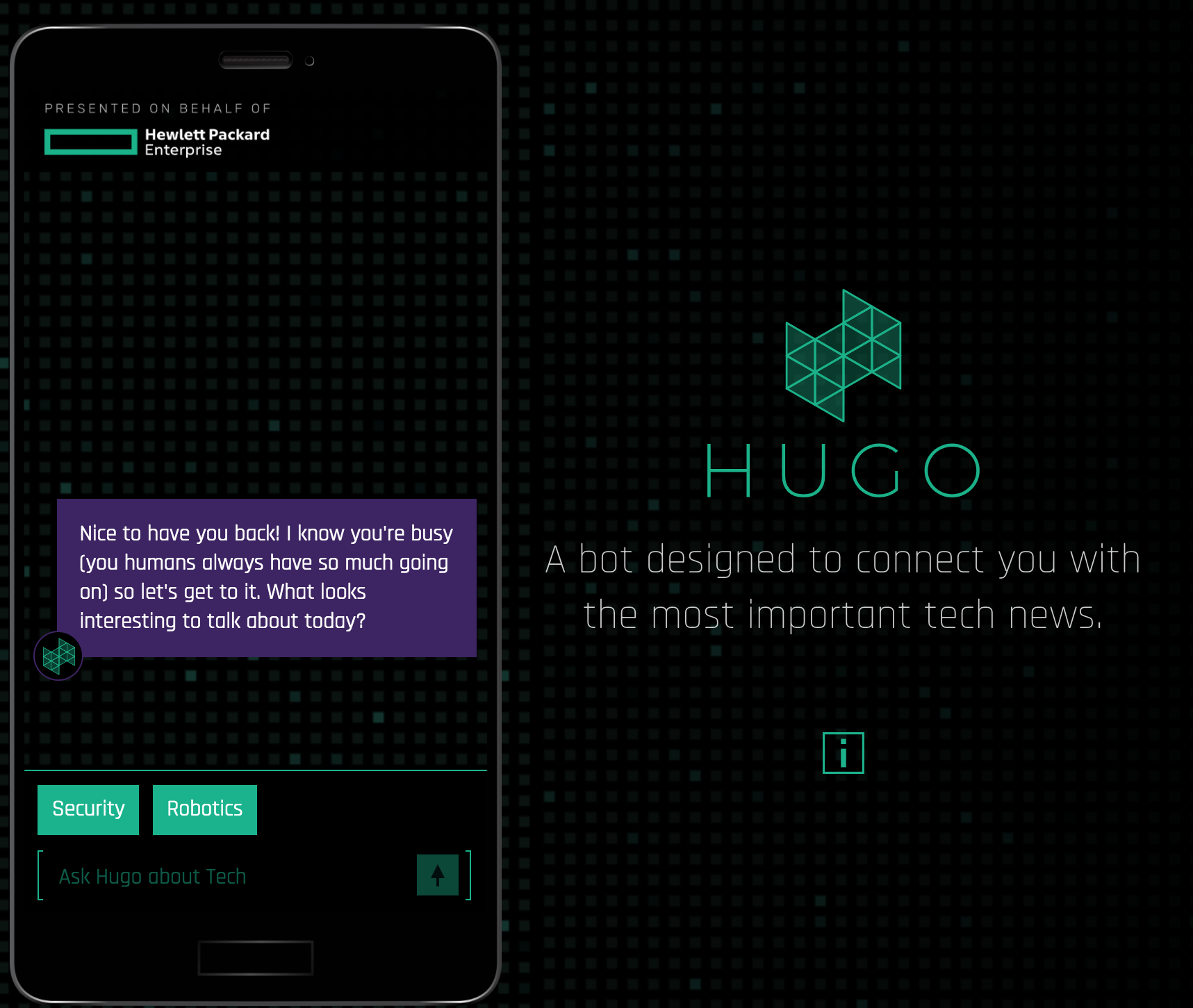

Increased efficiency by 400%
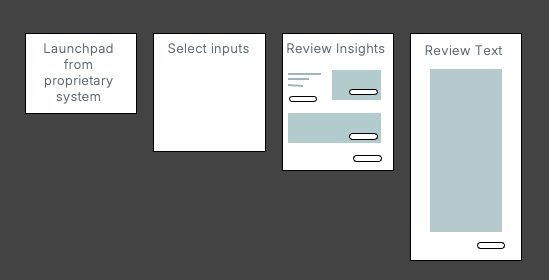
I led the design of an Iterative AI tool for a highly regulated flow. It reduced the employee’s time on task from 40+ hours to approximately 4 hours.
Fast and scrappy, this work was an operational success in terms of time savings alone. But it also increased throughput and increased capacity for this critical stage. This type of measurable impact is a point of pride.

Generated over $700M in sales volume in beta
Designed and launched a B2B self-service commerce platform for Nike Business Solutions. Focusing on international retailers and domestic small businesses, this tool was a capital investment and built from the ground up. It allowed for complex purchasing and fulfillment capabilities.
This project hit my two success metrics: impact to the business and integrity of the work. This project was struggling when I joined - the product and engineering clients were frustrated by the pace and quality of the work.
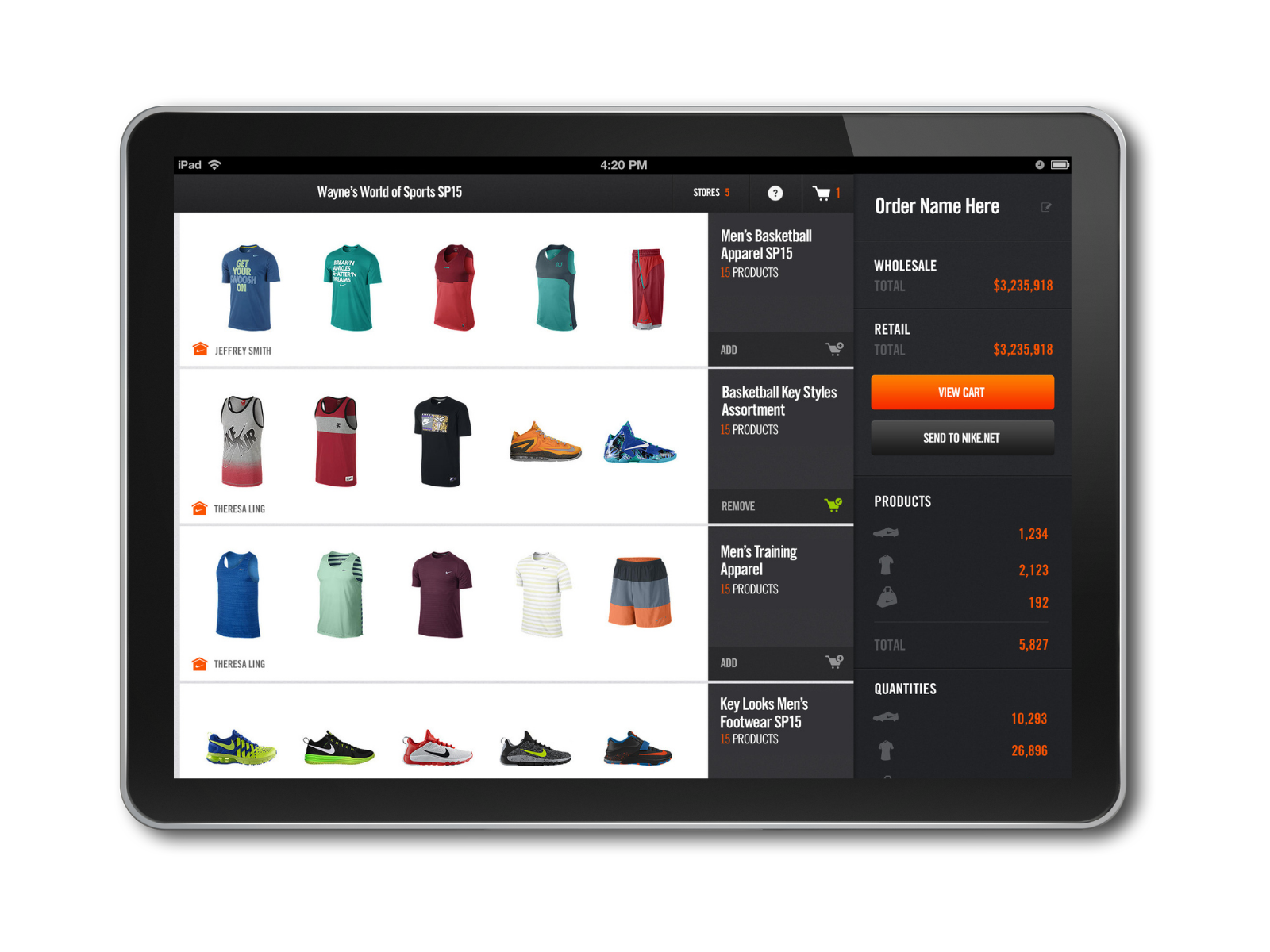
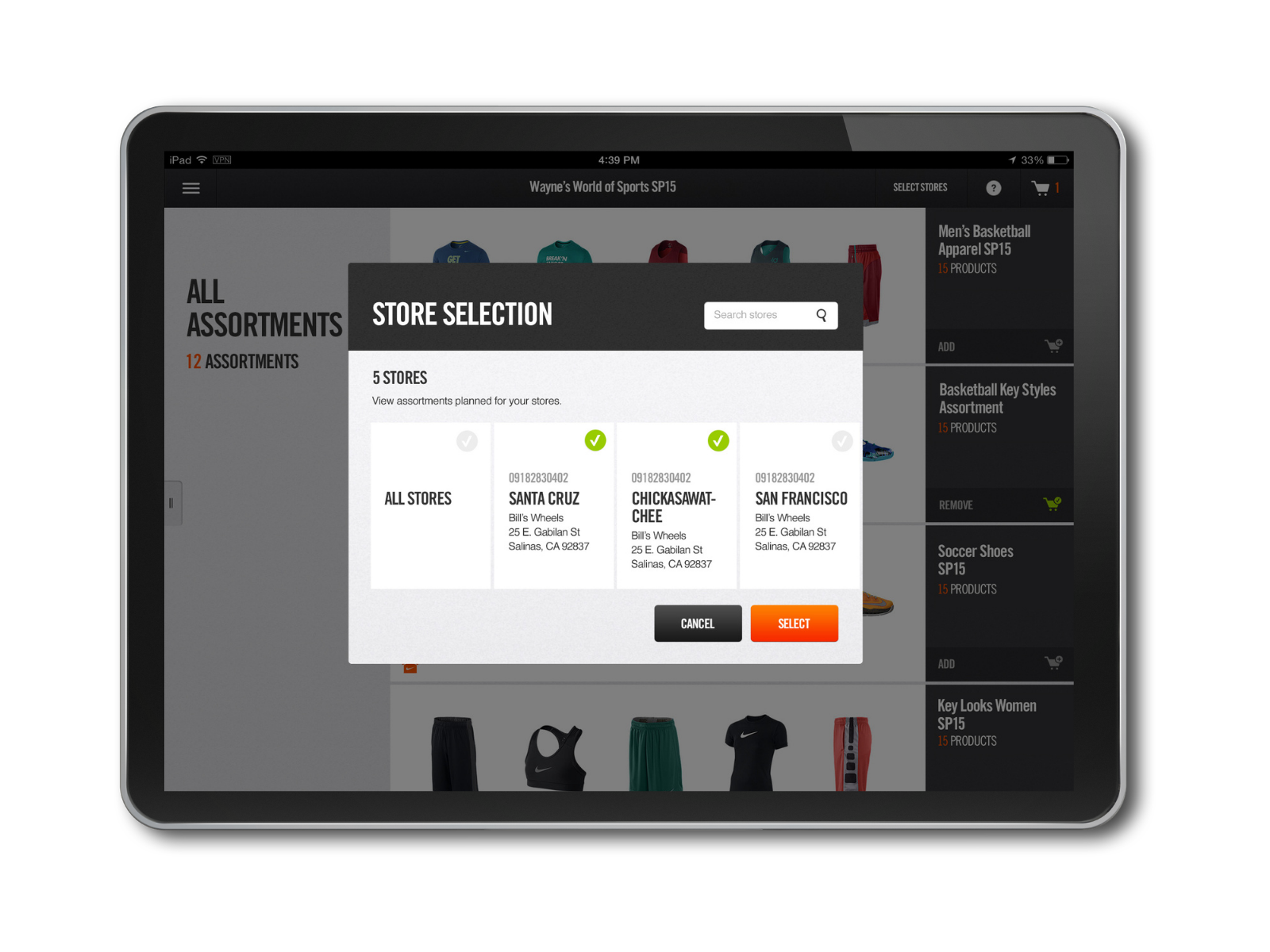
My biggest change was compressing review sessions. Originally, the sessions included 20+ people for two hours on alternating weeks. I moved us to smaller, more frequent sessions that increased alignment and accountability, and accelerated delivery.
With the new pace and confidence in the work, I negotiated ethnographic research to gain insights into how small businesses order Nike products.

Mitigate churn to competitors with new app
I led the launch of an end-to-end photo-editing application on Shutterstock.com. The app allows for standard photo editing and embellishments like adding text - directly mitigating revenue churn to competitors like Canva.
The goal value-add for Shutterstock's primary clients who don’t have access to or skills for robust design tools. Users like small businesses and professionals, such as teachers, whose use of stock is very low on their list of responsibilities.
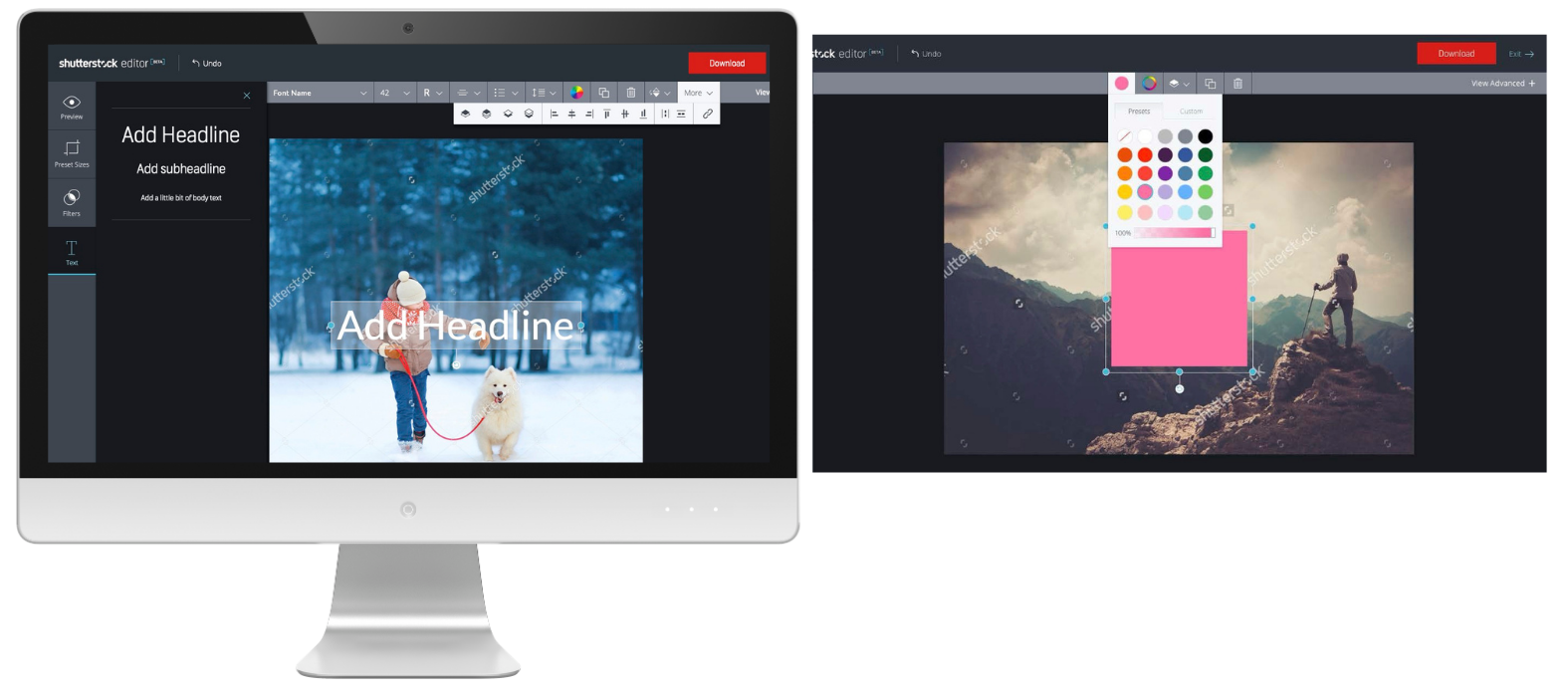
I had the opportunity to run ethnographic research with small businesses. The information anchored designers and product owners on users and shifted focus from our own Adobe tools.
This work is one of my favorite examples of connecting a tool to the actual needs of the users rather than speculating. The insights shifted our product team away from workflow and moved our teams to features and functionality.
Appreciation
Respecting my collaborators, their values and expertise is the linchpin in how I approach working sessions and workshops. Regardless of the group size - from three to 50 - I also take into account collaboration skills and possible resistance. For productive, outcome-driven sessions, everyone needs to participate.

Innovating with clients
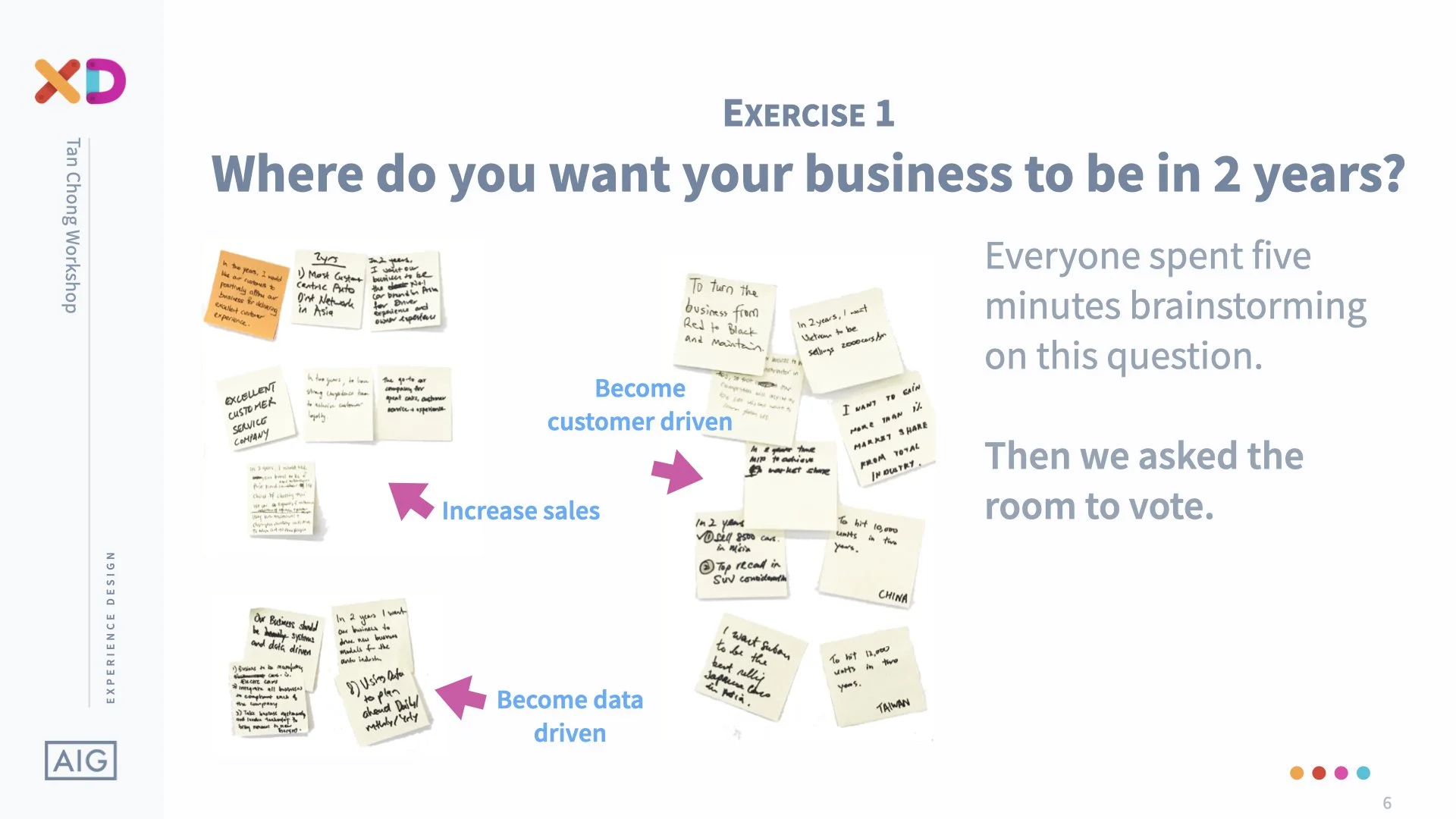
A large client in Southeast Asia wanted to change how its distributors approach its service offering. I led the effort as part of AIG’s Collaboration Center, introducing 36 leaders to customer-centric thinking.
In an afternoon with six facilitators, and I led activities that generated new definitions of success, a better sense of the clients, and the breadth of possible service offerings.
An exciting opportunity with such a valued client, I faced a new challenge. For participants, English was their second and often third language. I worked with the client team to ensure each group had one person with strong English skills. It felt like a hack, but one I had to accept given all other constraints.
Multi-channel communication strategy
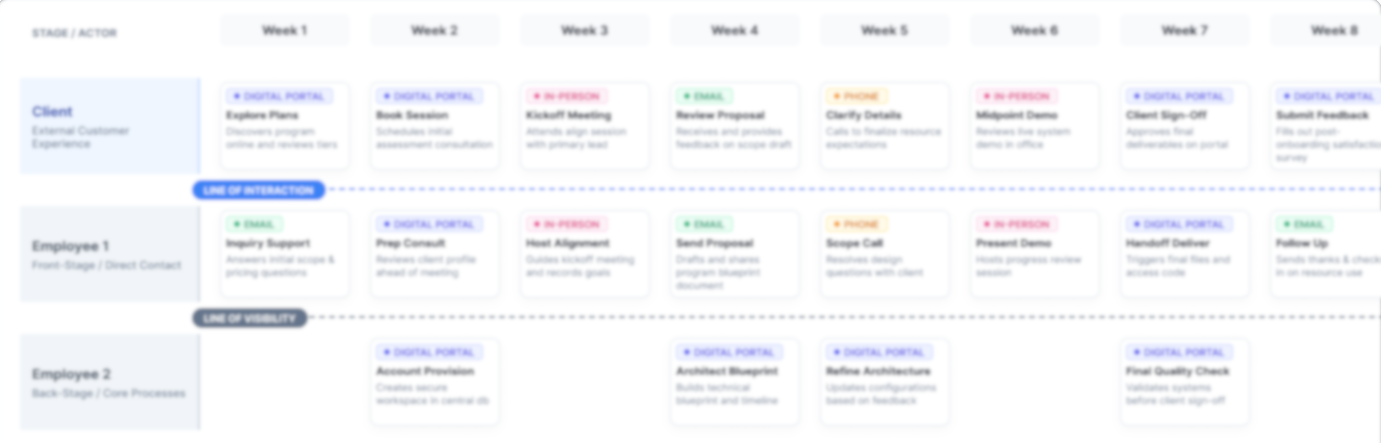
I facilitated small, fast sessions that aligned cross-organizational teams to create a communication strategy. The teams were managing the migration of recently acquired TD Ameritrade clients moving to Charles Schwab platforms.
The Schwab teams had deep empathy for clients going through a major service change. The resulting service blueprint accounted for three channels, six weeks, and three tranches of migrations.
Because of the rapid turn-around, my collaborators appreciated my push for detail. It allowed for rapid decision-making, in context, saving time later.
Shape 5 roadmaps
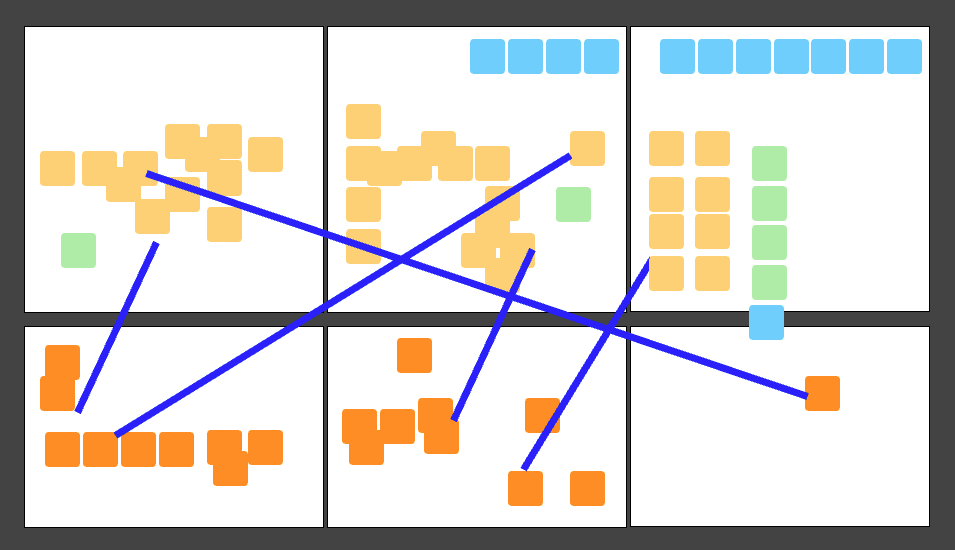
Designed and facilitated a 3-day strategy offsite for 40+ cross-functional leaders. We generated 23 actionable product opportunities and shaped five strategic roadmaps.
I took a service design perspective and introduced persona pairs. Using client and employee personas together, the employee teams explicitly saw their potential to drive change. We unpacked the obvious needs revealing underlying challenges. The resulting service blueprints, created with stickies and painter's tape, open the door to a breadth of opportunities and priorities.
Support
To design client experiences that grow businesses, I believe in building strong and confident teams. Specifically, teams that feel valued and empowered to innovate and build deeply collaborative relationships with partners and stakeholders.
Centralizing a distributed team
I joined the enterprise User Experience Design, part of AIG’s enterprise growth strategy. The team was collaborating with five business units, establishing the new pattern library, and contributing to the innovation center. The team was spread thin.
I made the decision to change the team model after candid conversations with the team and line-of-business stakeholders. The VALIC business unit wanted the experience design team more integrated into their process. They also wanted skill sets the enterprise team could not provide.
After the change, most of the project work didn’t change and we continued collaborating with business units. And as needed, I offered subject matter experts on accessibility, the pattern library, and project support.

Highest retention rate
Retention in NYC digital agencies is historically very low. Often because the agencies little to no career growth. As some one who took this path, I knew that I’d face the same problem if I didn’t do something different.
The Code and Theory methodology was an intense learning curve, and I couldn’t afford, either budget or resources, to lose team members.
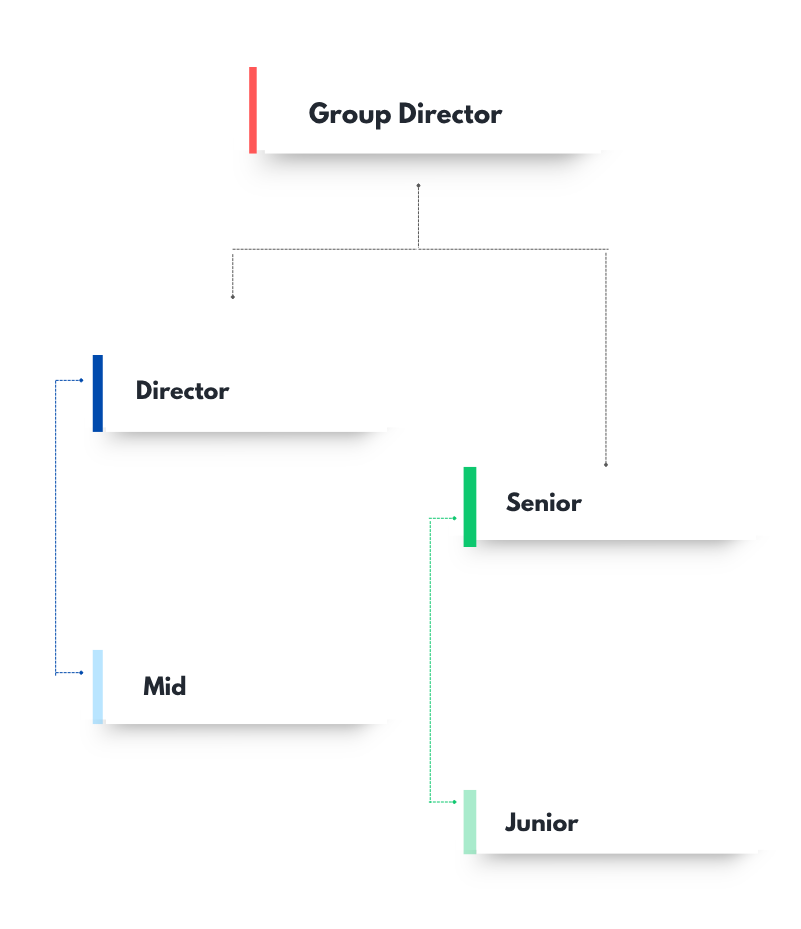
I chose to attract and retain talent by explicitly addressing growth. One of my approaches was a skip-level reporting structure. It provided value on two levels:
The junior team member received higher levels of support in craft, communication, and leadership.
It introduced leadership earlier in the career path. A mid-level designer may have an entry-level direct report.
This approach became a recruiting differentiator, and I developed a stronger pool of candidates and had the lowest churn in the agency.
I based my approach on an insight from organizational psychologist Elliot Jacques. He suggested that a manager who is one level up will feel threatened by a talented direct report.

Growing my candidate pool
I love hiring career changers, especially with small, growing organizations. I am partial to architects, fashion designers, industrial designers, and social workers.
These fields bring an understanding of three-dimensional space and how a user move between people and platforms. Also, social workers are excellent user researchers.
Instructor, Pratt Institute
Introduction to UX/UI
Research
Visual Artifacts